Fast water removal
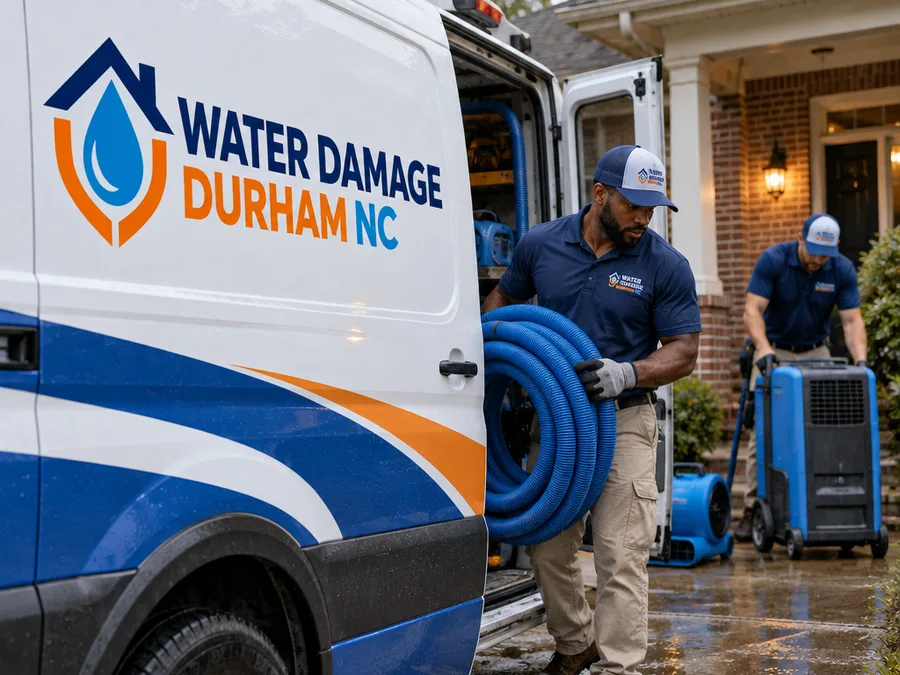
Standing water comes out first, then we move to deeper extraction from carpet, pad, and seams where water hides.
Serving Durham, North Carolina & surrounding areas
24/7 Emergency Response
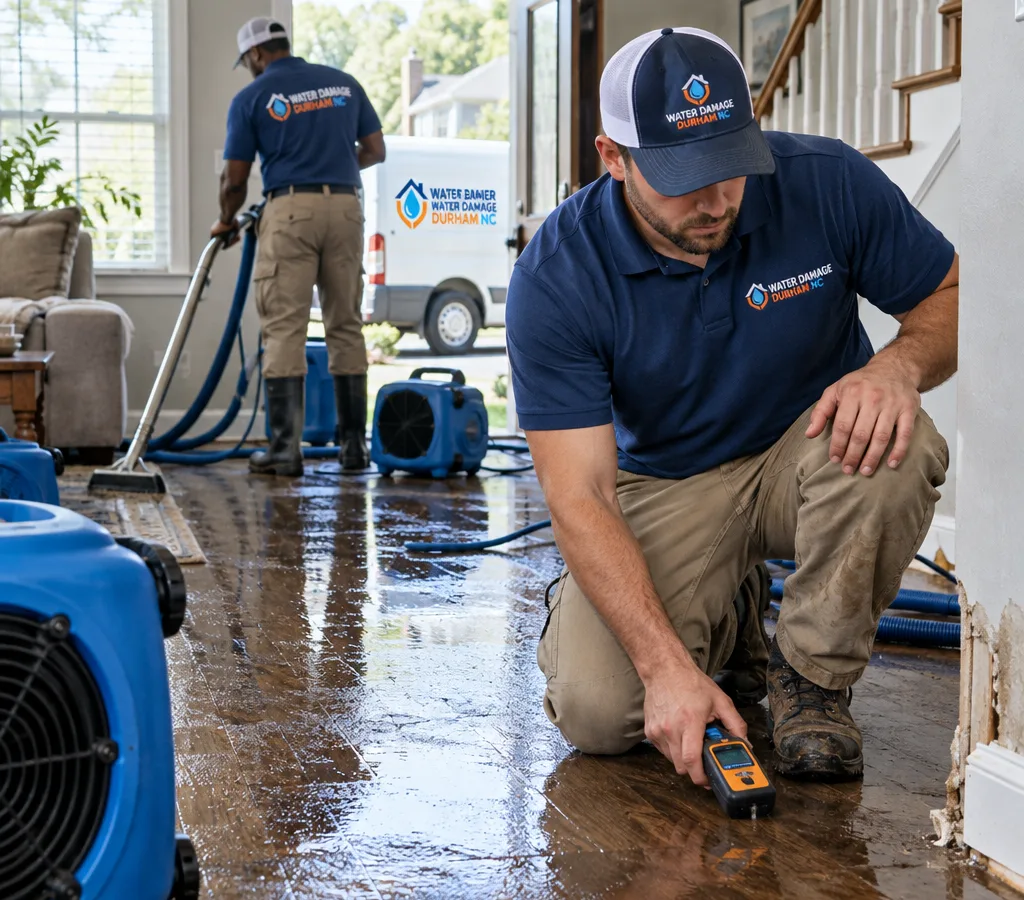
Flood cleanup · Durham, NC
Fast on-site response for water extraction, drying, and cleanup so you can stop the spread of damage and get back to normal sooner.
Act safely, then start drying
If you are searching for flood cleanup Durham NC, you are likely dealing with a time-sensitive problem: standing water, soaked materials, and the risk of mold and structural damage if drying does not start quickly. Water Damage Durham NC handles water removal, controlled drying, cleaning, and restoration steps that help limit what needs to be replaced.
Flood events in Durham often come from heavy rain, storm runoff, plumbing failures, or water entering through doors, crawlspace vents, or garage thresholds. Once water gets into flooring systems and wall cavities, it can wick upward and spread behind baseboards and cabinets. We focus on locating where moisture traveled, removing water efficiently, and drying the structure to an appropriate target before rebuild work begins.
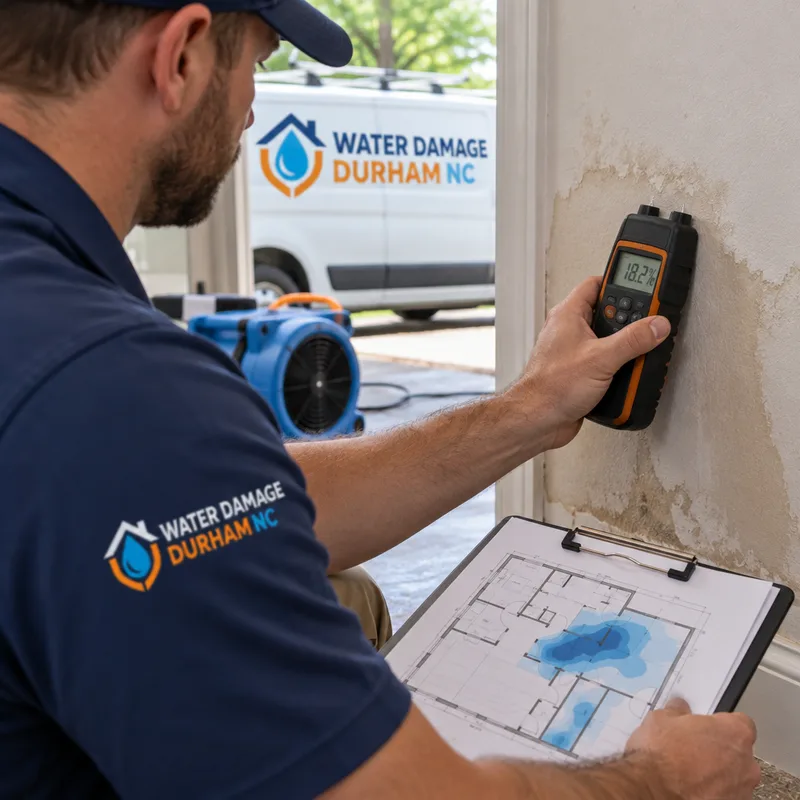
As an experienced water damage team in Durham, NC, we start with a practical plan: identify safety risks such as electricity, contaminated water, and unstable materials; document conditions; remove water; and set a drying strategy based on readings from moisture meters and hygrometers. You get clear expectations for what happens next, what can be saved, and what typically must be removed to dry correctly.
Complete moisture removal
Flood cleanup is more than vacuuming up water. The goal is to remove moisture from materials and the air fast enough to prevent secondary damage like swelling, delamination, corrosion, and microbial growth.
Typical flood cleanup work may include:
Durham homes with crawlspaces can also hold moisture after the visible water is gone. If floodwater reached the crawlspace or seeped through vents, we account for humidity trapped under the home and dry that area as part of the overall plan when needed.
Professional cleanup standards
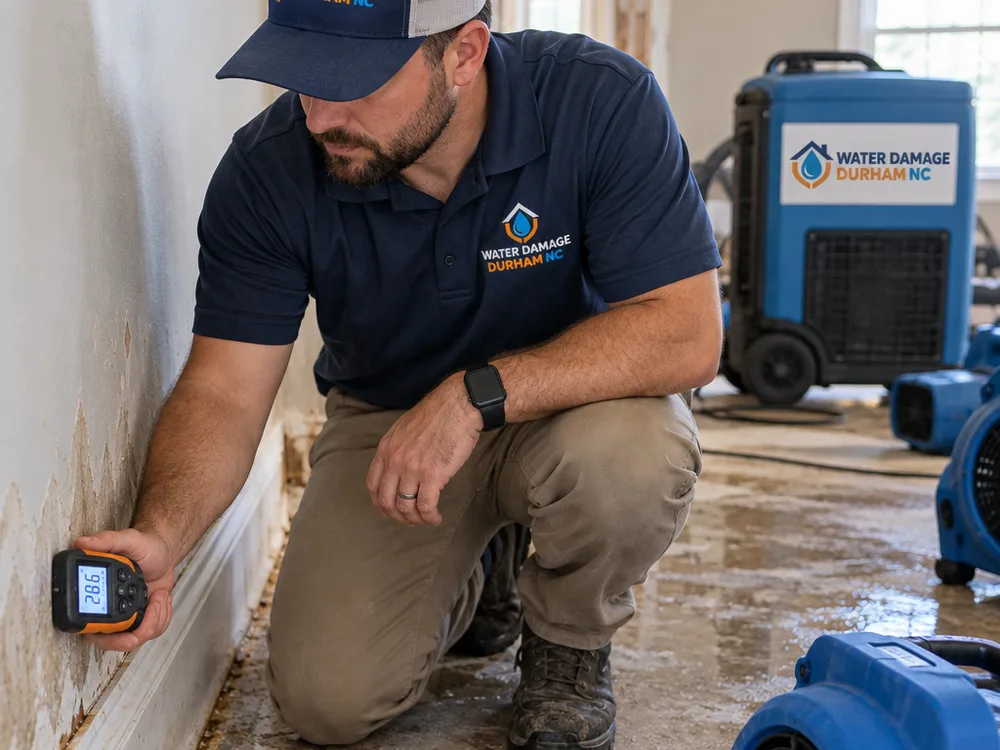
Standing water comes out first, then we move to deeper extraction from carpet, pad, and seams where water hides.
Moisture meters and humidity readings guide where to open up materials and how long equipment needs to run.
When demolition or contaminated water is involved, we isolate affected areas and follow a safe work sequence.
We help you sort what can be dried and cleaned versus what is likely to be compromised, with a focus on preventing odor and mold.
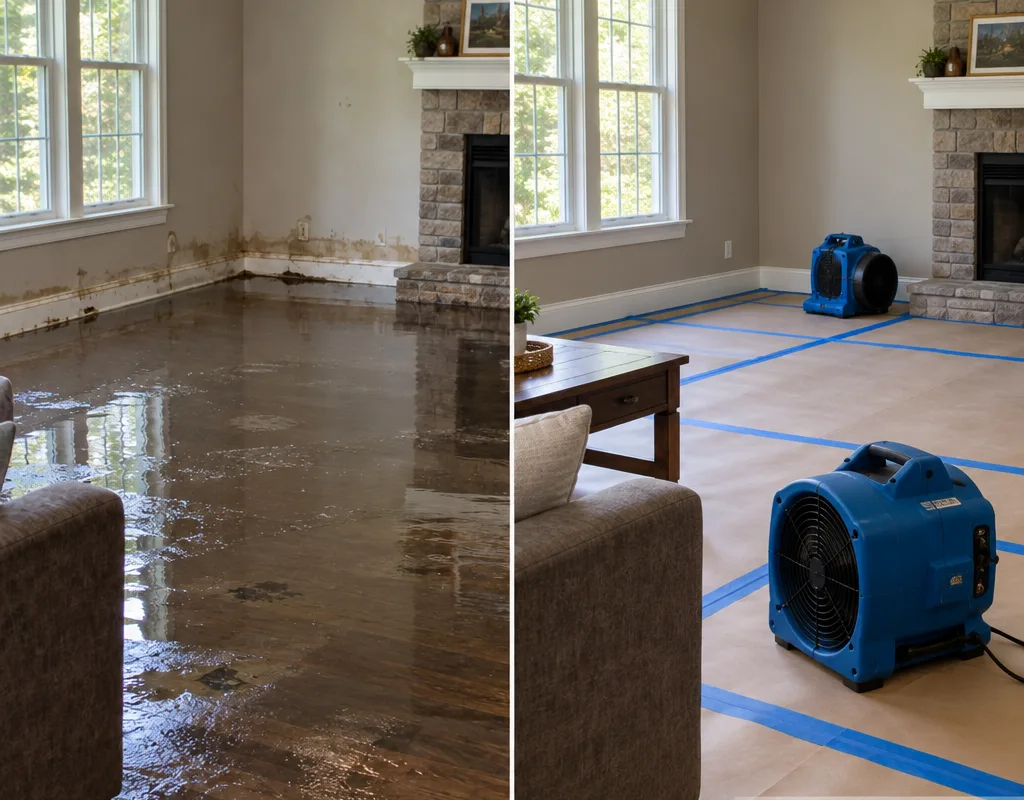
Before-and-after condition notes and photos support insurance conversations and keep the scope organized.
From safety check to repair handoff
Step 1 of 6
We identify hazards such as electrical, slip, and collapse risks and determine whether the water is clean, gray, or contaminated. That decision changes the cleaning and disposal requirements.
Step 2 of 6
We remove standing water and extract moisture from surfaces and flooring. If needed, we pull baseboards or drill small access points to start drying wall cavities.
Step 3 of 6
We trace how far water traveled, including under floors and behind cabinets. This prevents missed wet pockets that cause lingering odor or damage later.
Step 4 of 6
Air movement and dehumidification are placed to match the room geometry and wet materials. We monitor progress and adjust equipment as conditions change.
Step 5 of 6
After drying targets are met, we clean affected surfaces and apply sanitation steps when the water source requires it. Odor issues are handled after the structure is dry.
Step 6 of 6
Once drying is verified, we outline what needs to be rebuilt or replaced. If you are coordinating repairs with other trades, we provide the drying documentation to keep timing realistic.
Local flood conditions
Flood cleanup in Durham often comes down to how water entered and where it can hide afterward. In downtown near N Mangum St and other older streets, mixed-use buildings and older construction can mean more pathways for water to move between units and into wall cavities. In areas with more crawlspace foundations, floodwater can raise subfloor moisture and keep indoor humidity high even after visible water is removed.
We also plan around the after-storm reality: multiple homes affected at once, wet outdoor air, and limited drying time before materials start to swell or stain. That is why our first visit focuses on stopping the spread of moisture and setting up a drying strategy that fits your structure, not a one-size setup.
If the flood event included a sewage backup or water that came from outdoors, sanitation becomes a central part of the work. That scenario changes how porous materials are handled and what needs to be removed rather than dried.
Planning the scope
Flood cleanup in Durham typically ranges from about $900 to $4,500 for a small to moderate affected area with extraction and drying, while larger losses with multiple rooms, saturated drywall, or contaminated water can run $6,000 to $20,000+ depending on how much material must be removed and rebuilt.
Price changes with water category, how long the water sat, the square footage and number of rooms, floor type, access to wet cavities, and how many days drying equipment is needed. Exact costs are confirmed after an on-site inspection and moisture mapping.
Extraction, monitoring, and verification
Straight answers
Flood cleanup should start as soon as it is safe to enter because water can wick into drywall, insulation, and subfloors quickly and humidity rises fast in enclosed spaces. Even when standing water is gone, hidden wet materials can keep feeding damage until drying is underway and monitored with moisture readings.
Sometimes, but it depends on how long the floor was wet, how much water reached the subfloor, and whether the boards have started to cup or crown. In many cases we can attempt controlled drying early, but if moisture remains trapped under the boards the floor may buckle later, so we verify conditions with moisture mapping before recommending repairs.
Clean water is typically from a supply line leak, while contaminated water can include sewage backups or outdoor floodwater that may carry bacteria and debris. Contaminated water changes the cleanup plan because porous materials like carpet pad, insulation, and some drywall often need removal and disposal rather than drying and re-use.
Most drying setups run for about 3 to 5 days, but the timeline depends on the amount of water, the materials affected, and how humid the outdoor air is during recovery. We rely on moisture readings and humidity goals to determine when drying is complete instead of using a fixed number of days.
We remove materials when they prevent proper drying or are contaminated, and we keep removal as limited as the situation allows. Baseboards often come off to dry the wall edge, and drywall may need to be opened if water wicked upward or if insulation is saturated.
If it is safe, stop the water source, shut off power to affected areas, and keep people and pets out of the wet space. Avoid running HVAC over wet materials, and do not pull up carpet or remove drywall unless you can do it safely, because disturbing wet, contaminated materials can spread debris and odors.
Restore control of the property
Tell us what happened, what areas are wet, and whether the water may be contaminated. We will respond with a clear plan for extraction, drying, and the next steps to restore the space.